
Tibetan Culture
“Tibet is a huge culture for only six million people. A small country, with a very big influence. Tibet’s not so simple.”
Landscapes
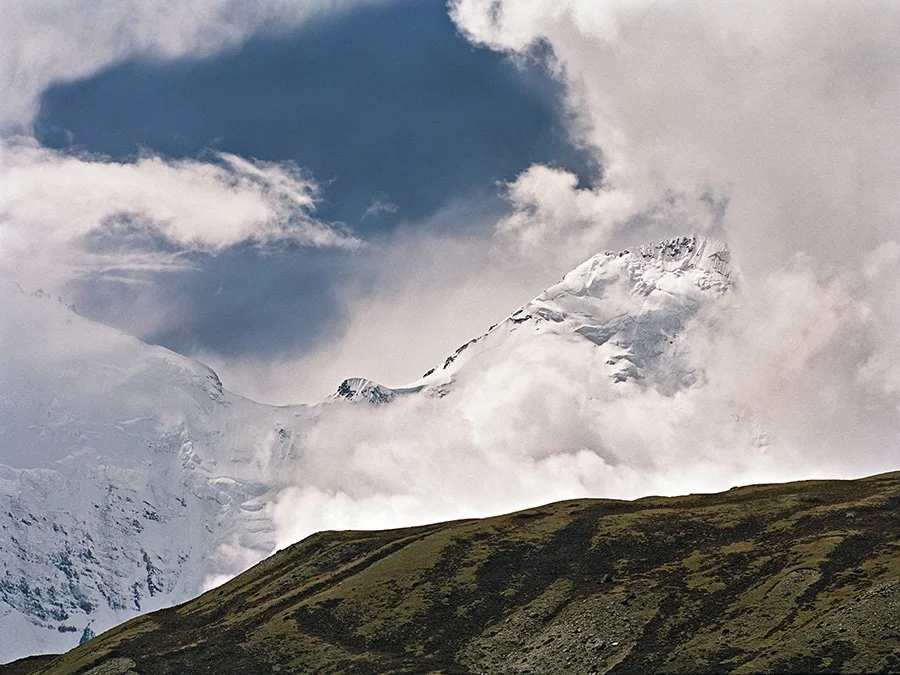
Nestled among the clouds, Tibet is the highest region on earth, with an average elevation of 12,000 feet.
Architecture
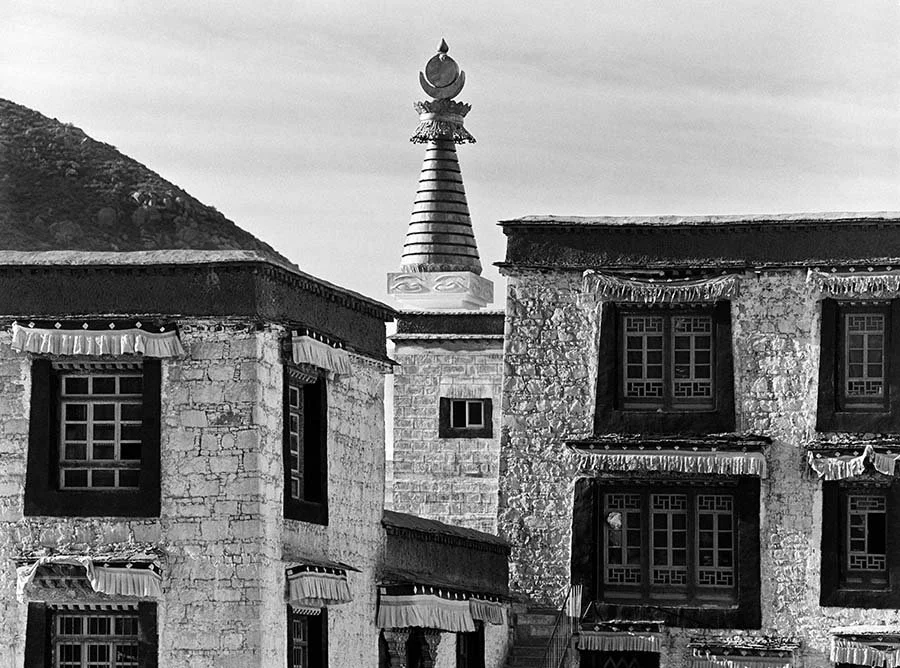
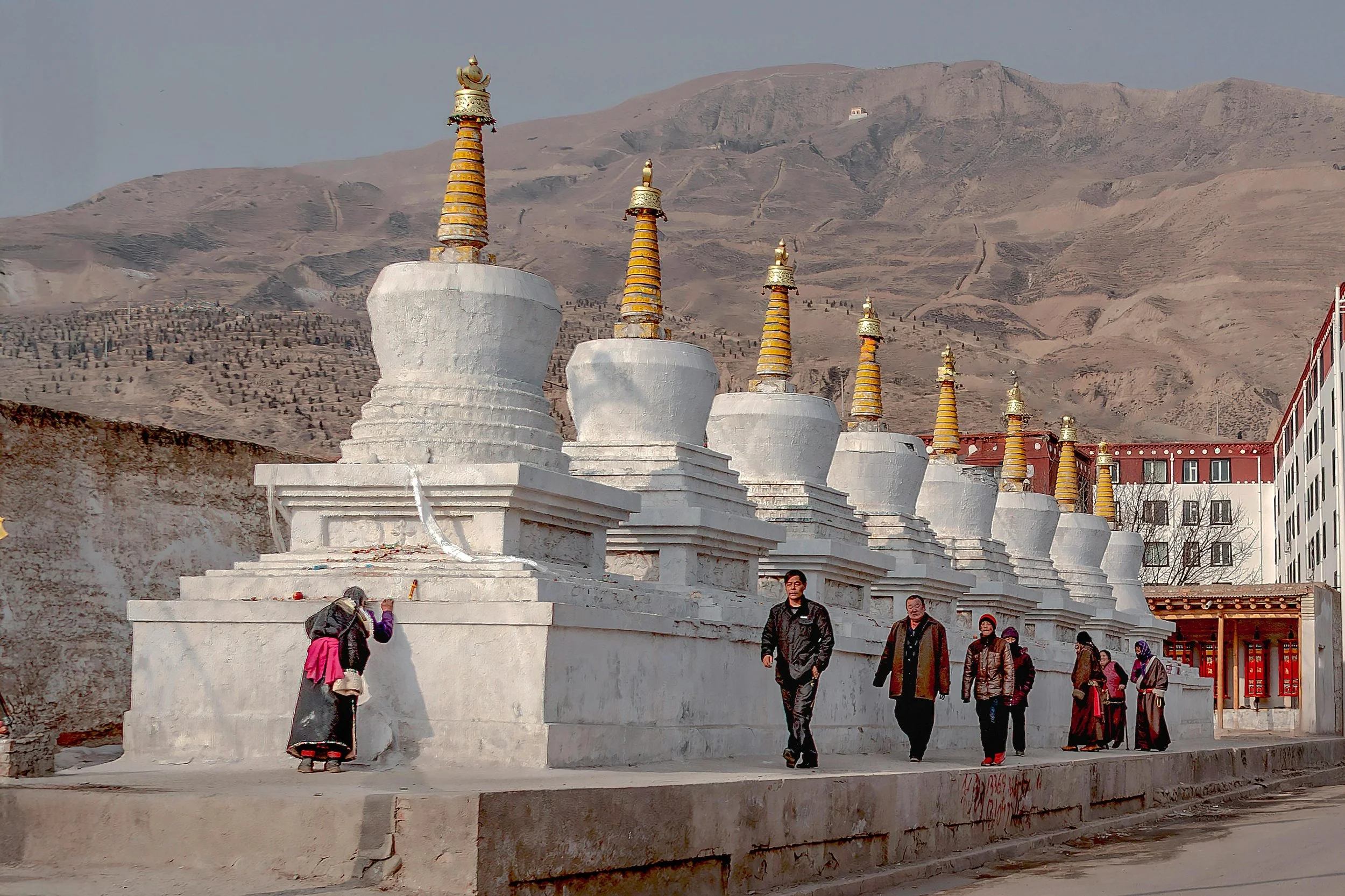
Tibetan architecture is influenced by the geography and climate of the Tibetan plateau and traditional architectural styles of India, Nepal and China.
Temple Interiors
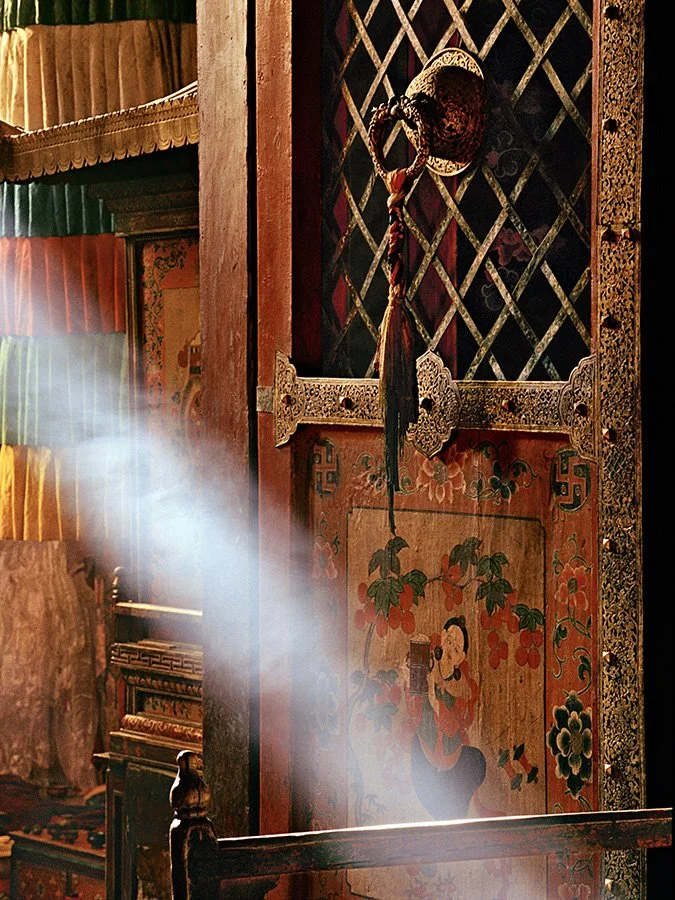
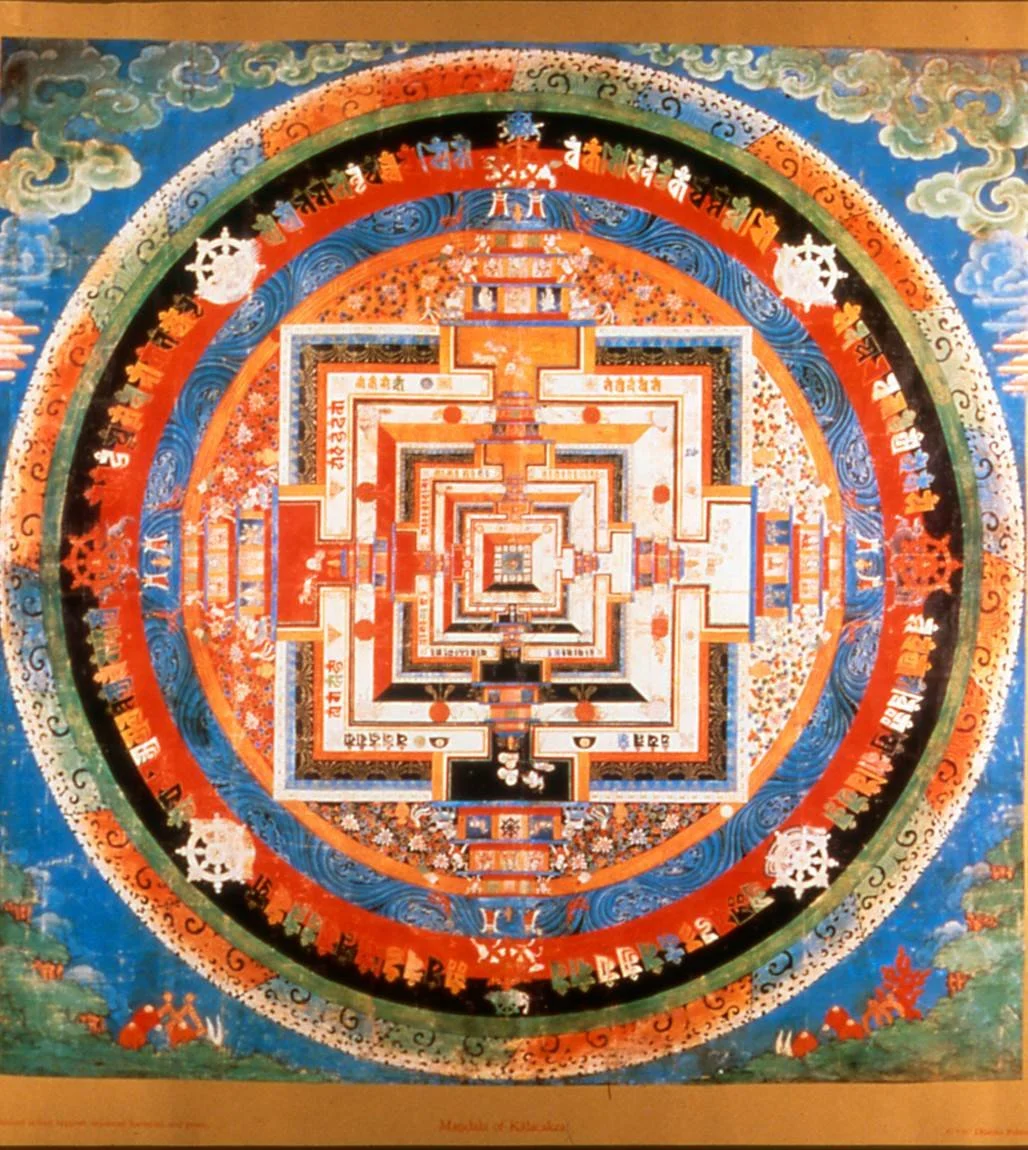
Artistic creations are usually anonymous, in keeping with the cultural values of transcending the individual ego and attachment …
The Language of Tibet
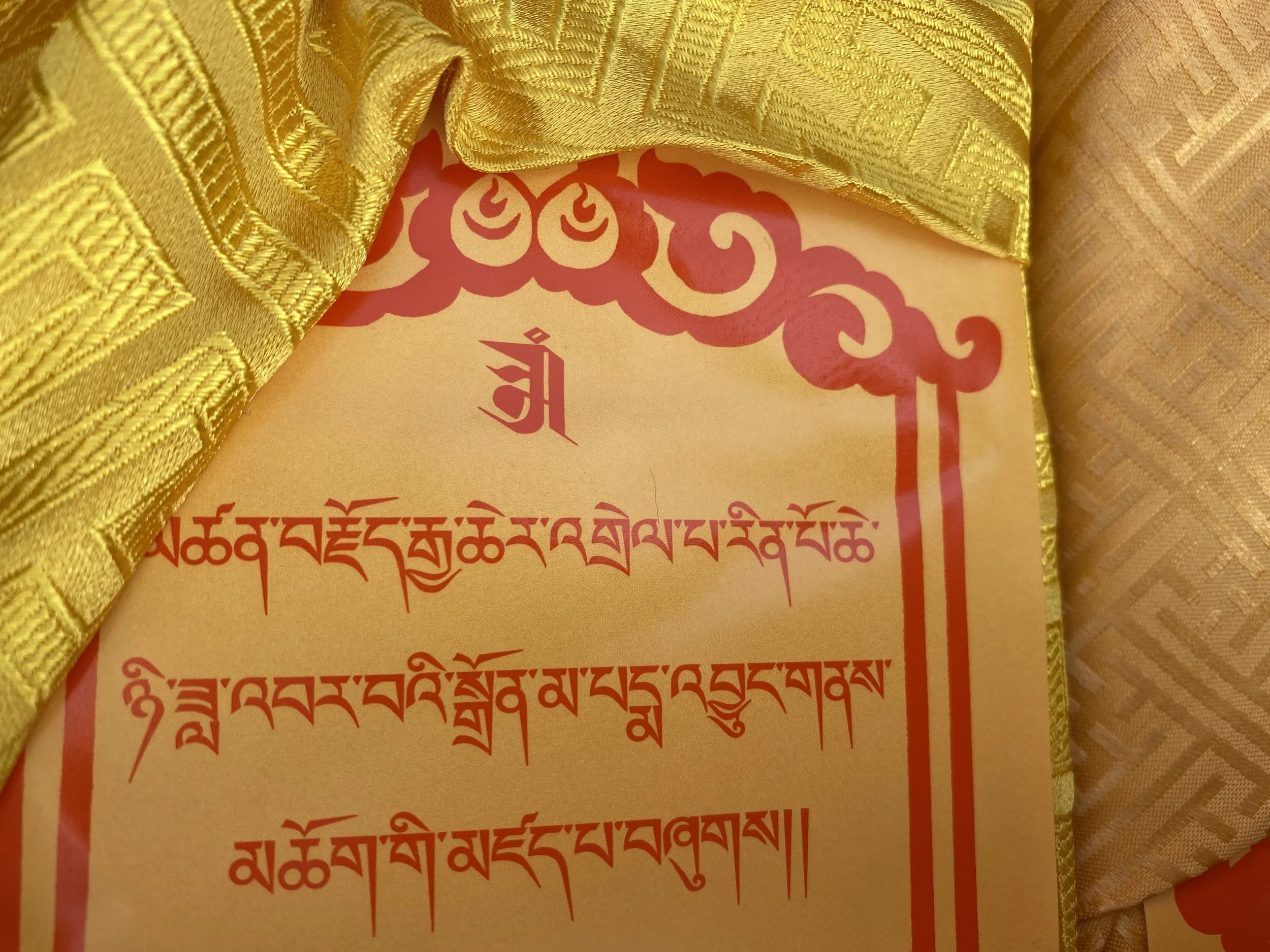
Since the classical Tibetan language was expressly created for the purpose of Dharma translation, it contains many specialized words to articulate Buddhist concepts.
Sacred Texts: The Heart of Tibet's Culture
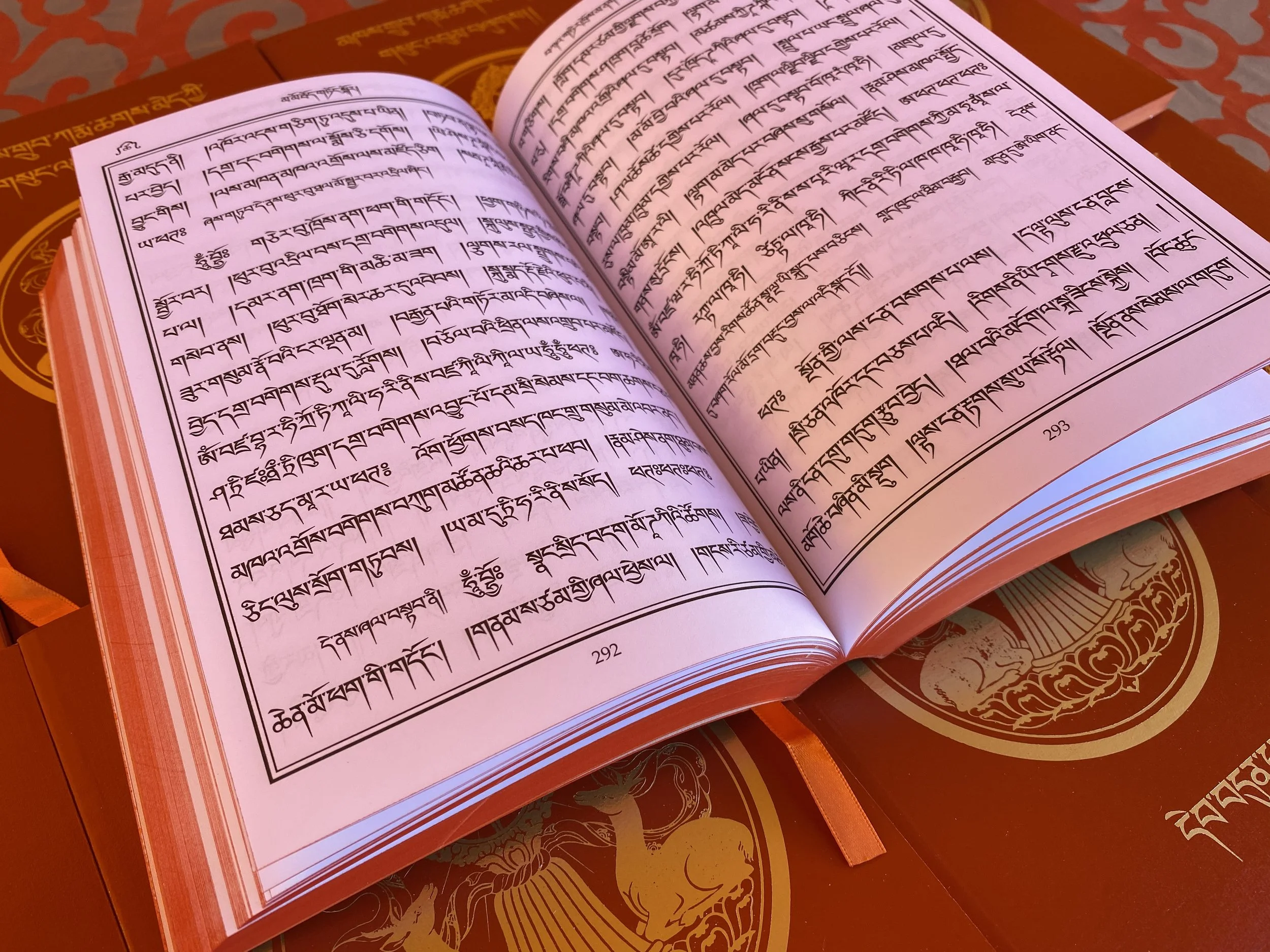
Tibetans have a profound relationship with the physical text.
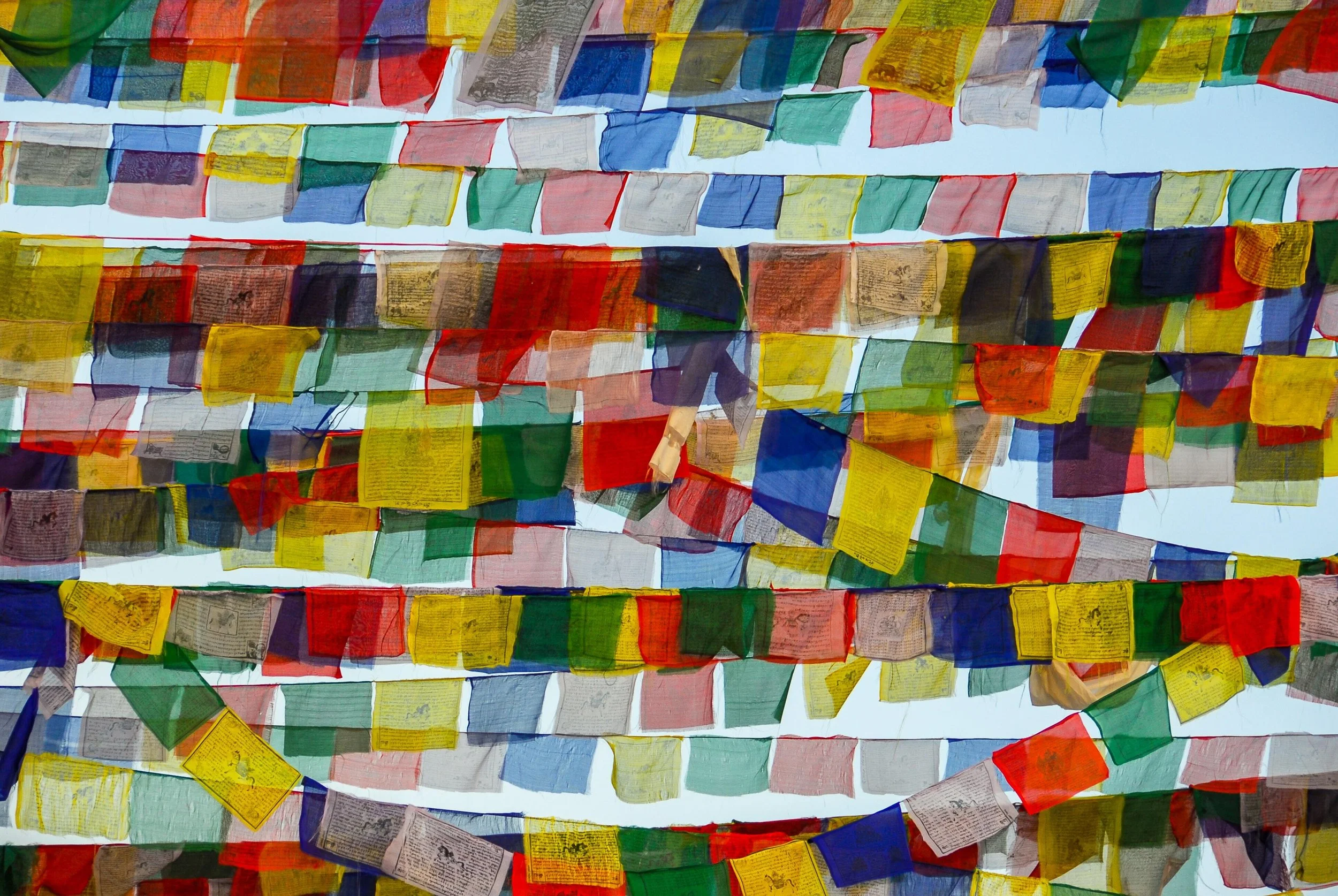
Tibetan Prayer Flags
According to Tibetan tradition, prayer flags imprinted with sacred images and mantras transmit healing and compassionate energy into the world through the power of the wind.
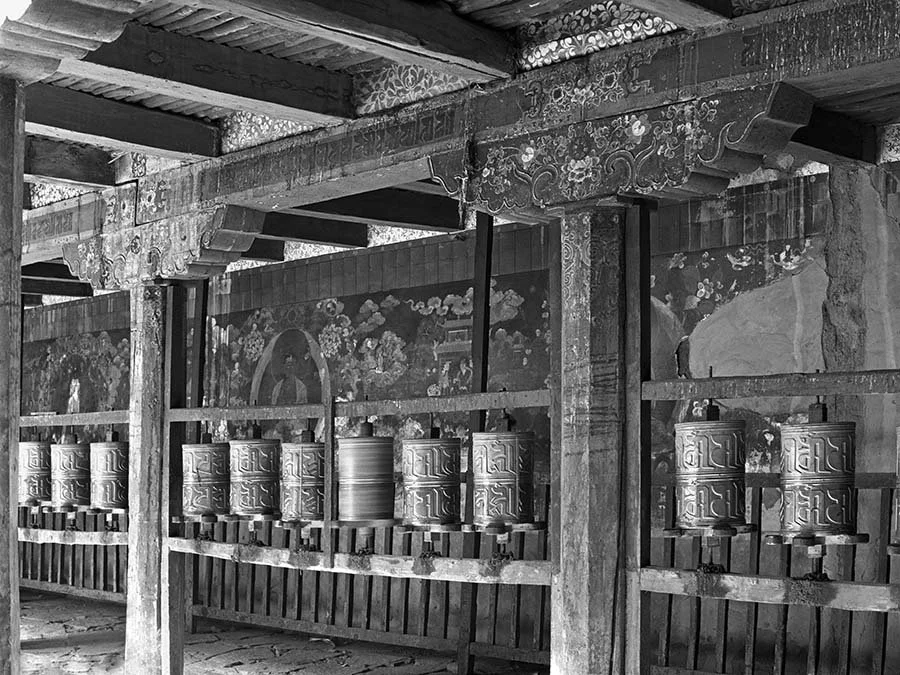
Prayer Wheels
The Prayer Wheel (or Dharma Wheel) is an ancient spiritual tool and a vital part of Tibetan daily life.