Architecture
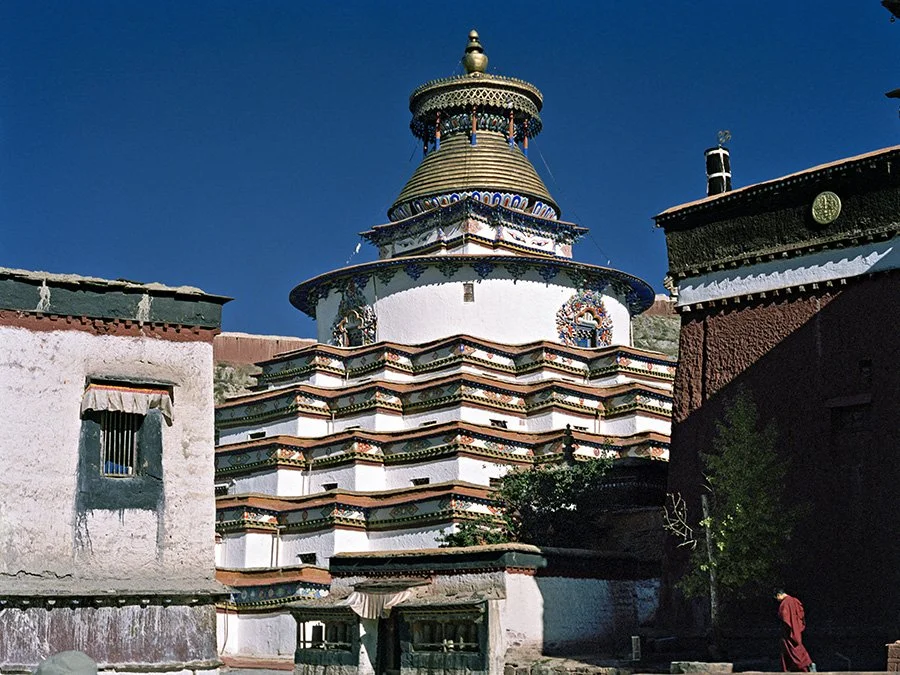
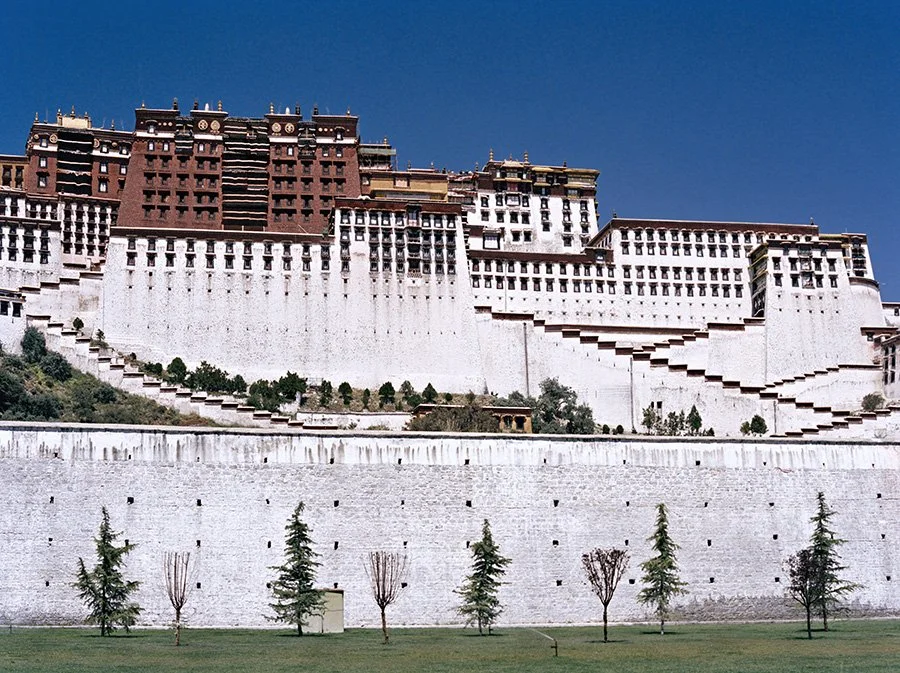
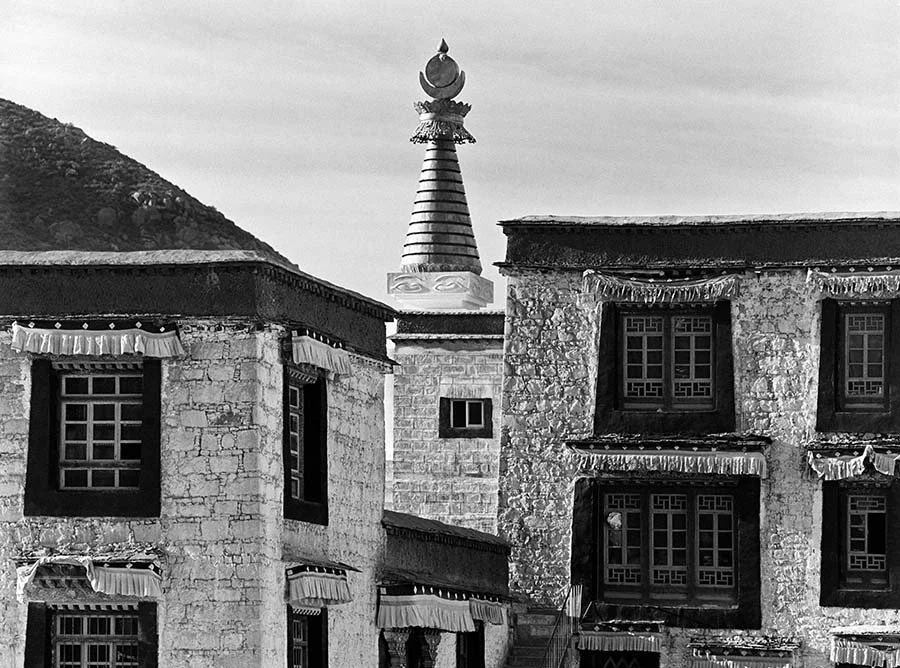
Tibetan architecture is influenced by the geography and climate of the Tibetan plateau and traditional architectural styles of India, Nepal and China. Stone houses and sturdy woolen tents blend seamlessly into the vast and jagged landscapes. Stone houses are designed to conserve warmth by incorporating flat roofs and are built to protect against earthquakes. For thousands of years, here in one of the most extreme environments on earth, Tibetan nomads have lived in tents, known as bas, made from the thick wool of yaks.
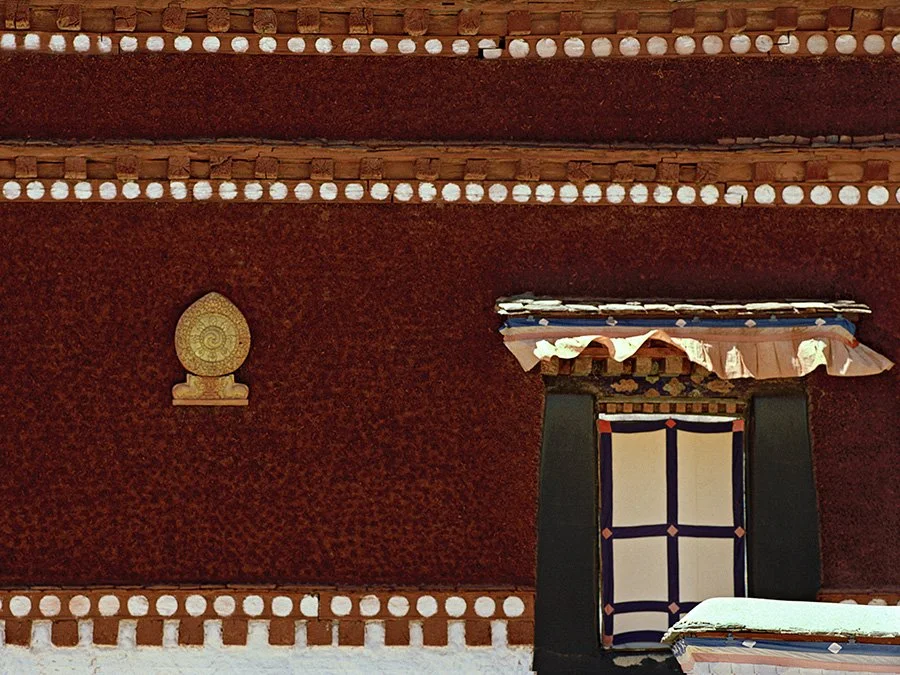
The beautiful artistry, particularly in the monasteries, reflects the rich cultural and spiritual heritage of Tibet. Colorful paintings made from semi-precious stones, roots, berries, and minerals adorn many buildings. Complex carvings, sculptures and fluttering prayer flags reflect the spiritual tradition that is inextricable from the everyday lives of Tibetans.