People
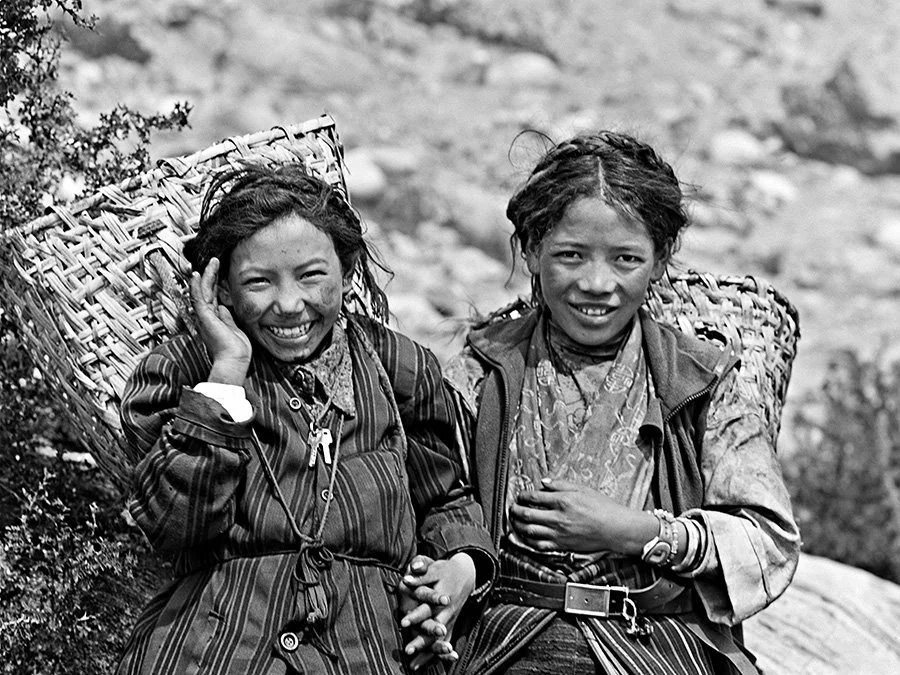
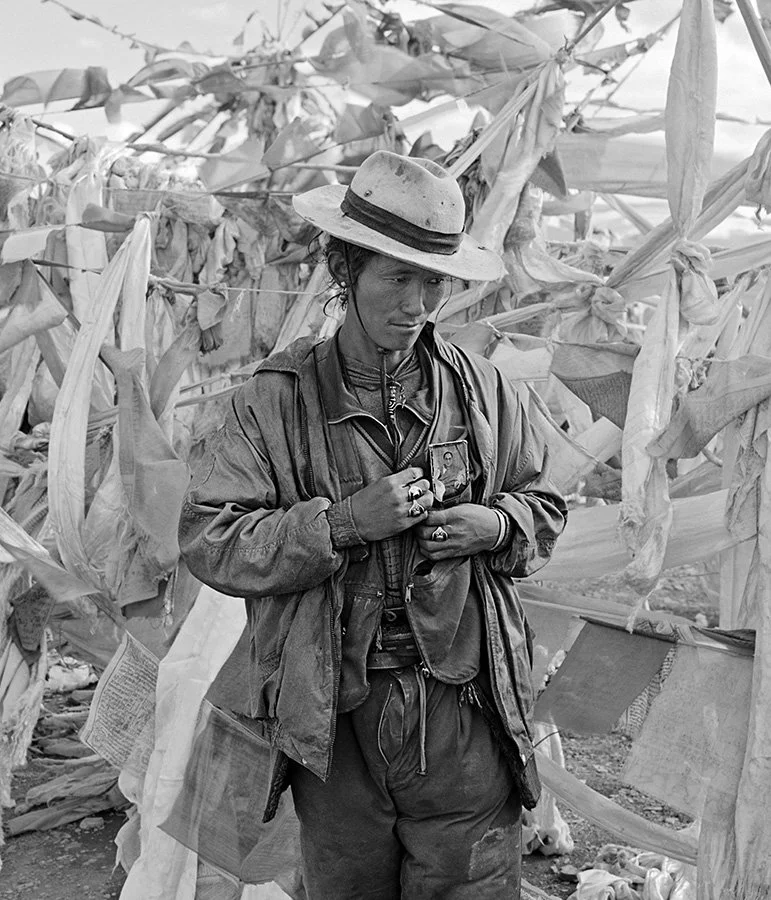
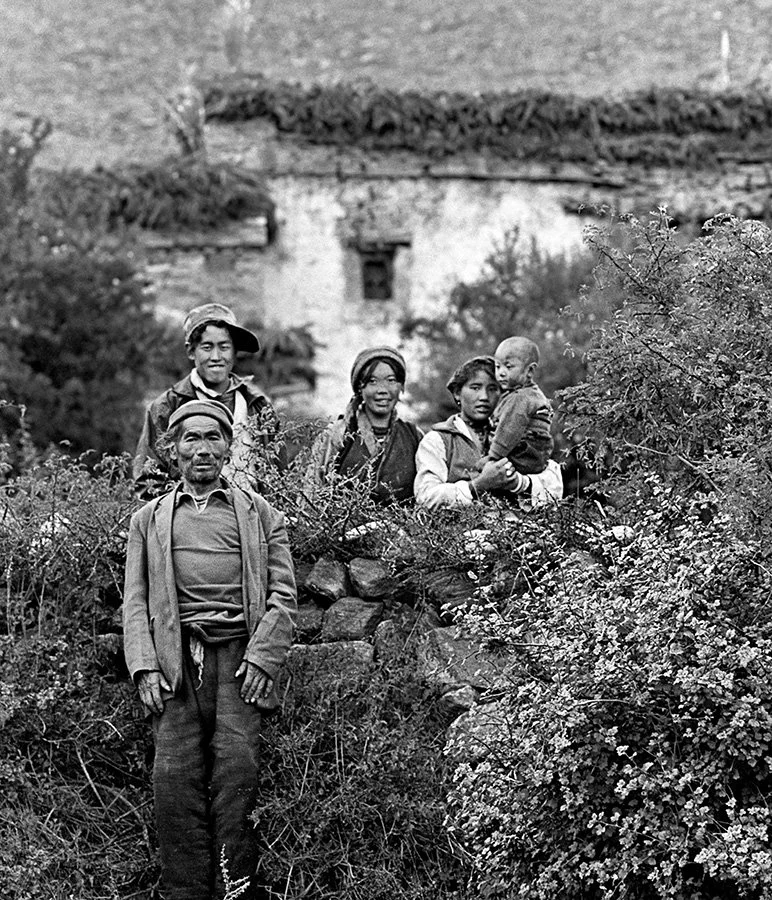
Subsisting on a rugged, untamed land for thousands of years, the Tibetan people embody the qualities of strength, resilience and faith. Archeologists have discovered evidence of early Tibetan farming villages dating back to 3500 B.C. Around 3000 B.C. bands of hunters in steep regions unsuited to agriculture developed a mobile, pastoral culture, centered around the seasonal migration patterns of animal herds. Since that time, Tibetan laypeople have primarily consisted of farmers and nomads.
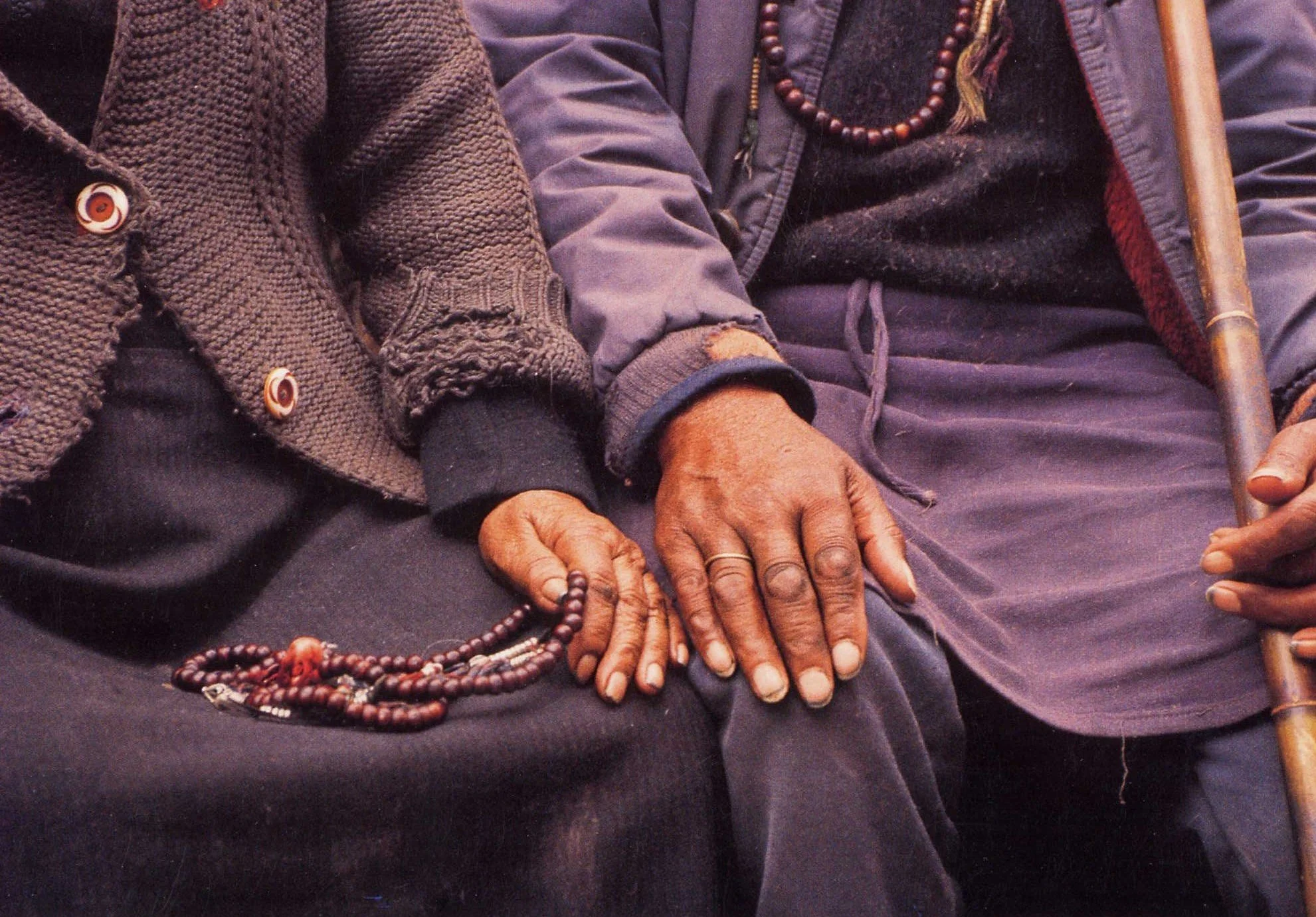
In the middle of the 8th century, King Trisong Detsen, invited the Abbot Shantarakshita and Guru Padmasambhava from India to establish a firm foundation for Buddhism to flourish in Tibet. Overcoming significant obstacles, Tibet’s first monastery, Samye was built, the first monks were ordained, and the king established special laws that provided for their support. The remarkable confluence of worldly, intellectual, and spiritual power embodied in King Trisong Detsen, Abbot Shantarakshita and Guru Padmasambhava, allowed them to forge an extraordinarily rich foundation for a vibrant culture of dharma to proliferate to modern times. The Nyingma tradition is the ancient school of Tibetan Buddhism introduced by Padmasambhava and based on the first translations of the Buddhist scriptures from Sanskrit into Tibetan, carried out until the late 10th century.