
Why We Exist
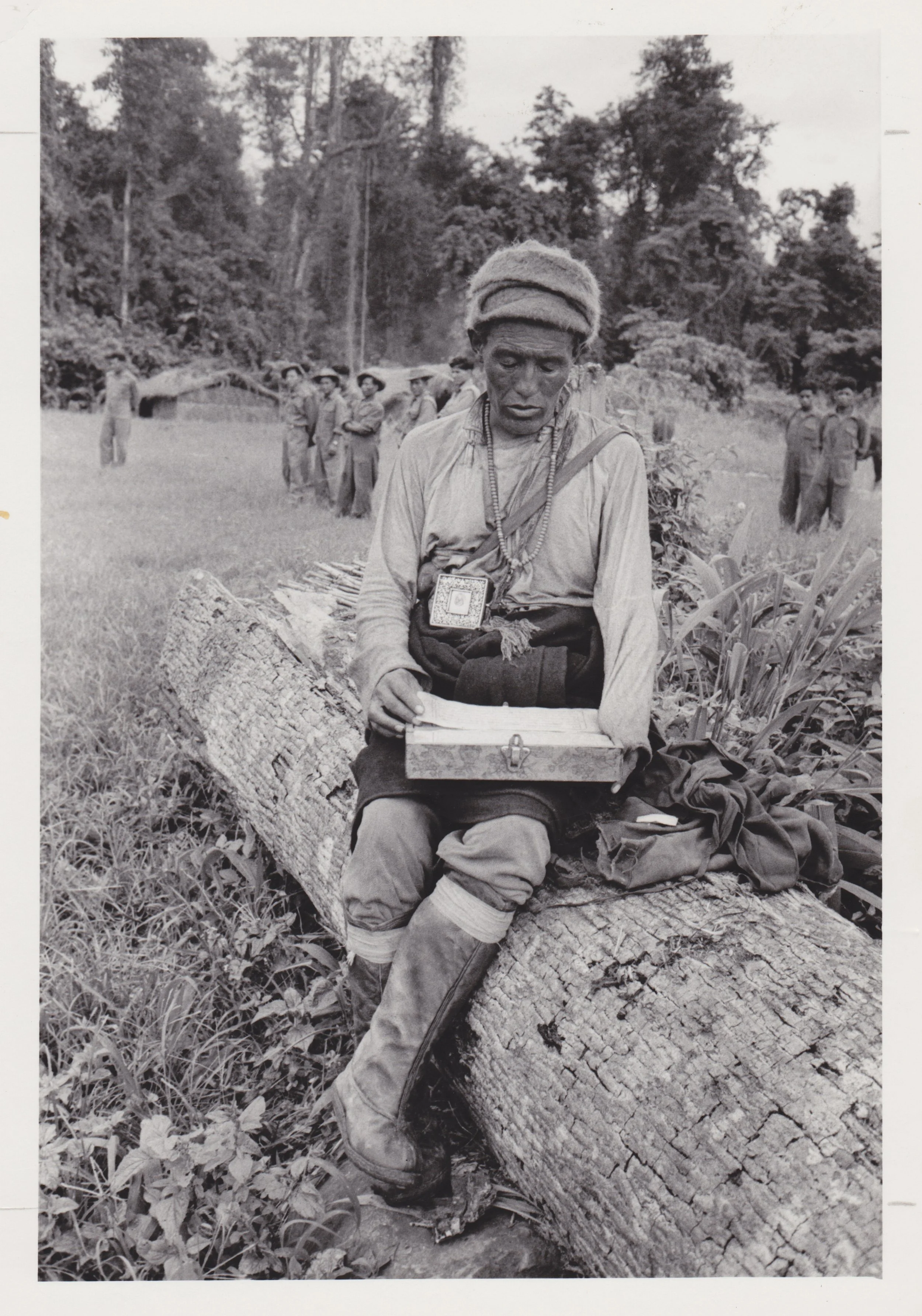
During the 1959 invasion of Tibet, hundreds of thousands of Tibetans fled their homeland across the Himalayan Mountains pouring into the nearby countries of India, Nepal, and Bhutan. Afraid of losing their sacred texts, many carried precious books on their backs rather than food, despite the risk of starvation, valuing their spiritual heritage over their own physical well-being.
Ninety-five percent of all the texts and art inside Tibet were destroyed as well as 6,000 monasteries, colleges and libraries. Over one million people perished, in a country of six million.
Despite the tragedy that befell Tibet, the resilience of the Tibetan people is compelling. The Tibetan culture is increasingly recognized the world over for its depth of knowledge of the human mind and heart – inspiring love, joy, compassion, and equanimity.
“By finding ways to use difficult circumstances to strengthen the practice of non-attachment, forgiveness, and compassion, we can contribute to the transformation of the dark emotions that dictate human actions.”
— Tarthang Rinpoche“If we wish the treasures of Tibetan Dharma to be genuinely available to the people of our time, we must do three things.
We must preserve the canons, the scriptures, the transmissions - the message of Dharma. We must preserve, if we can, the culture of Tibet, one of the richest and most complex Buddhist civilizations that has ever arisen. And we must support the living lineages that have upheld the transmission of wisdom for Tibet for more than 1200 years - generations of masters, exemplars of all Nine Yanas.”
— Tarthang Rinpoche